|
Signal Ownership
|
|
The neutral middle is gone.
|
|
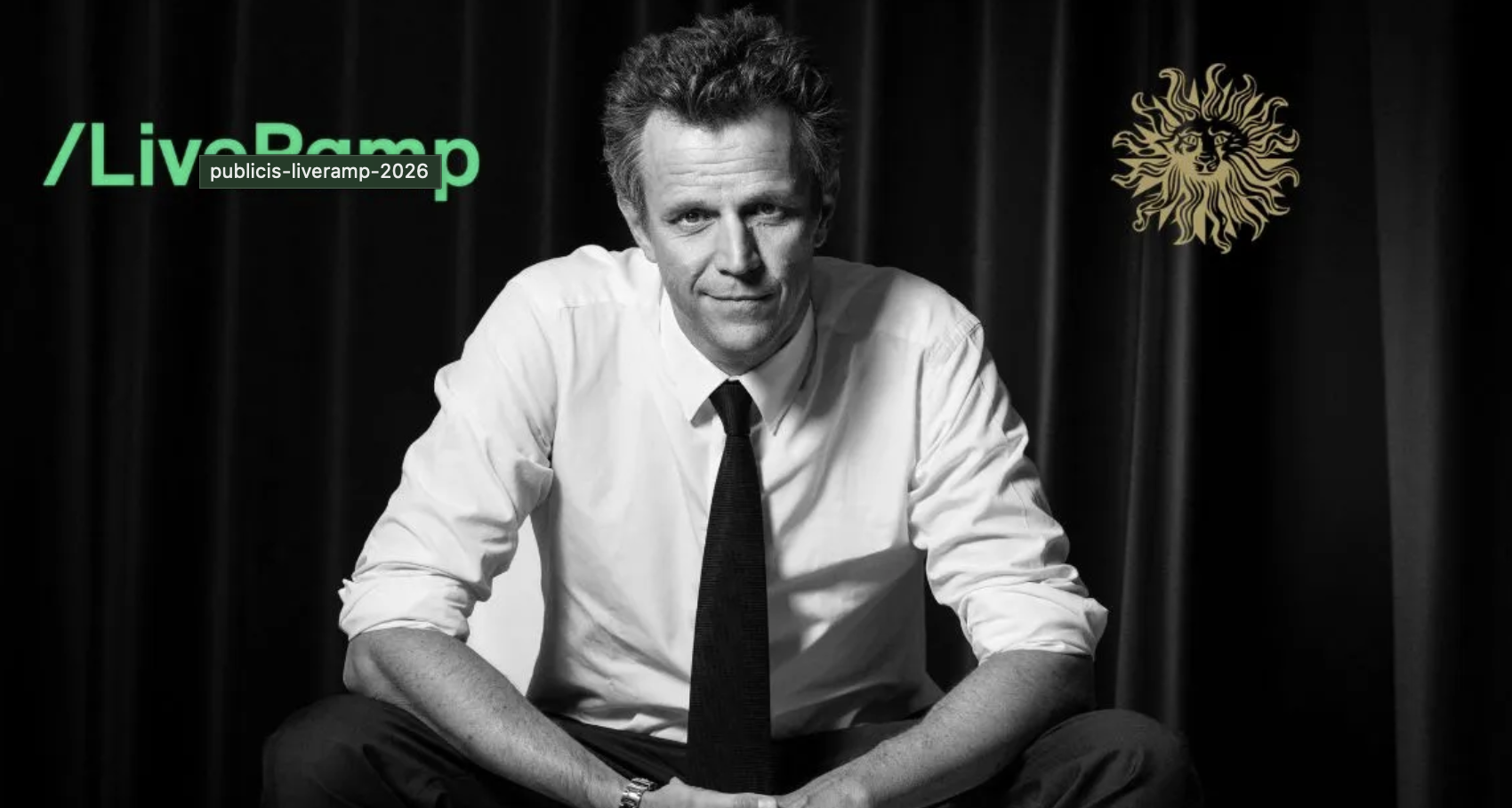
Publicis's announced acquisition of LiveRamp didn't create the neutrality problem. It made it public. The neutral middle was always a business arrangement, not a principle — and arrangements get sold. When an agency holding company acquires a core piece of identity infrastructure, that power moves to a parent with its own position in media. The standard response is a neutrality pledge. But neutrality you have to be promised is not neutrality you can count on. This is structural, not a matter of intent.
|
|
This is why we started GrowthCode, and it's why we're relaunching this newsletter, focused on Signal Ownership.
|
|
Never Miss an Issue
|
|
Get Own Your Signal delivered straight to your inbox.
|
|
|
|
|
First-party signals are now the primary currency of digital advertising. Publishers, SSPs, DSPs, and agencies that treat signal ownership as a strategic imperative, not an infrastructure line item, will hold a durable advantage over those that don't. A publisher who owns their signal graph owns something no platform change can degrade and no intermediary can take away. A DSP that builds a proprietary identity spine owns a targeting capability no competitor can buy their way into.
|
| |
Move your data through someone else's infrastructure, and you're not just paying a toll. You're training a model you'll never own. When the means to transact signal is biased or owned by a single entity, every campaign trains the next one, and whoever holds the data keeps what gets learned. That used to be a fee. In an AI market, it's a compounding transfer of intelligence.
|
|
|
The answer isn't a better centralized platform. It's owning your signal on your side of the line, where the models train on your data and nobody upstream can re-price access to what you've built. I've believed this for a long time. We recently updated our website to say it plainly (visit the new growthcode.io to see for yourself).
|
Every issue of this newsletter will cover what's actually shifting in the infrastructure layer and what signal ownership looks like in practice — not as a philosophical preference, but as a competitive position. We're glad you're here.
Jonathon
|
|
|
|
Own Your Signal tracks the deals, the data, and the structural decisions that matter — before they become consensus. If someone forwarded this to you, we'd love to have you.
|
|
|
|